
Make and buy: What stayed with me from KI KONNEX
2026-11-09 · 3 min · Simon Prior, Co-Founder & Chief Business Officer
On 3 and 4 November, Cologne hosted KI KONNEX, the conference on AI in the insurance industry.
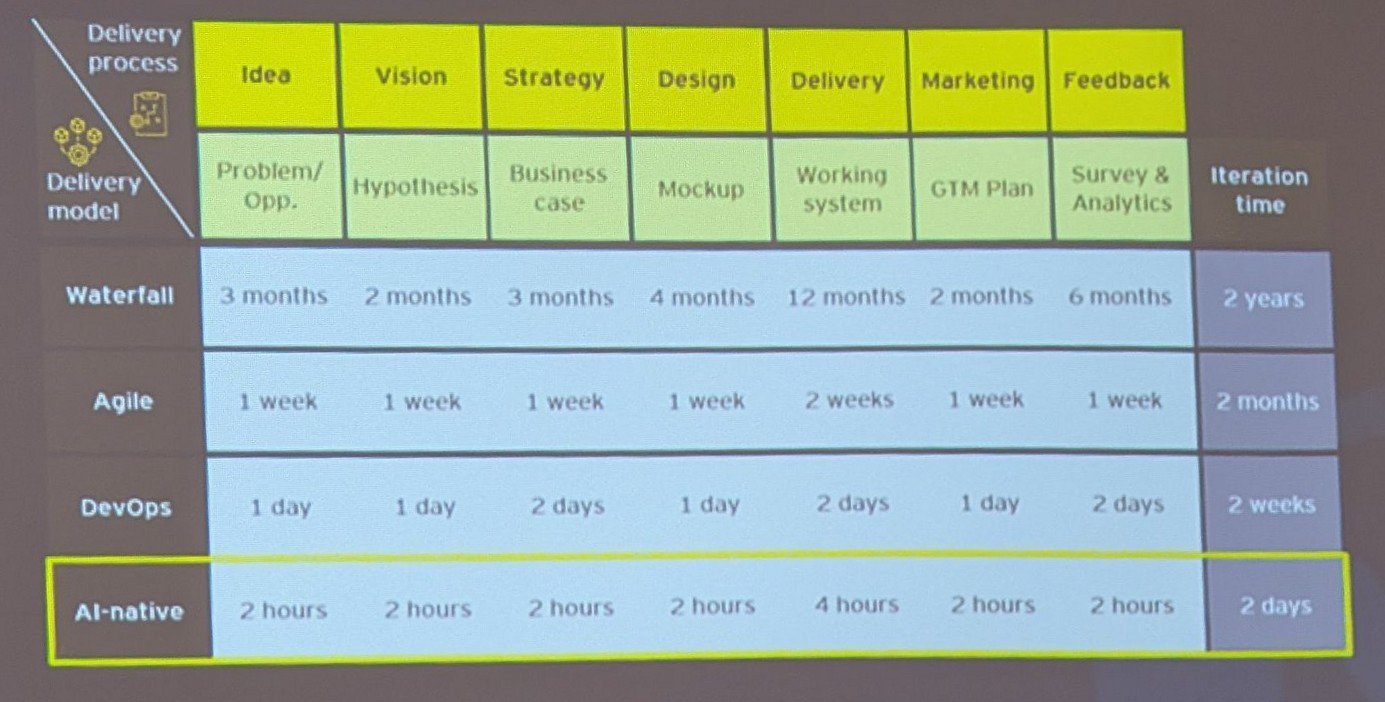
On the second day, a Big Four firm and a software company used a breakout session to present the thesis that AI now makes it economical for insurers to develop their own core system. Coding agents would support the entire development, and development costs would fall by 20 to 40 percent according to their own study. An iteration cycle would take days instead of months.
I found the discussion afterwards more revealing than the slides. The objections from the room: insurers lack talent, knowledge and motivation, proven references are scarce, and the models keep getting better. So why not wait?
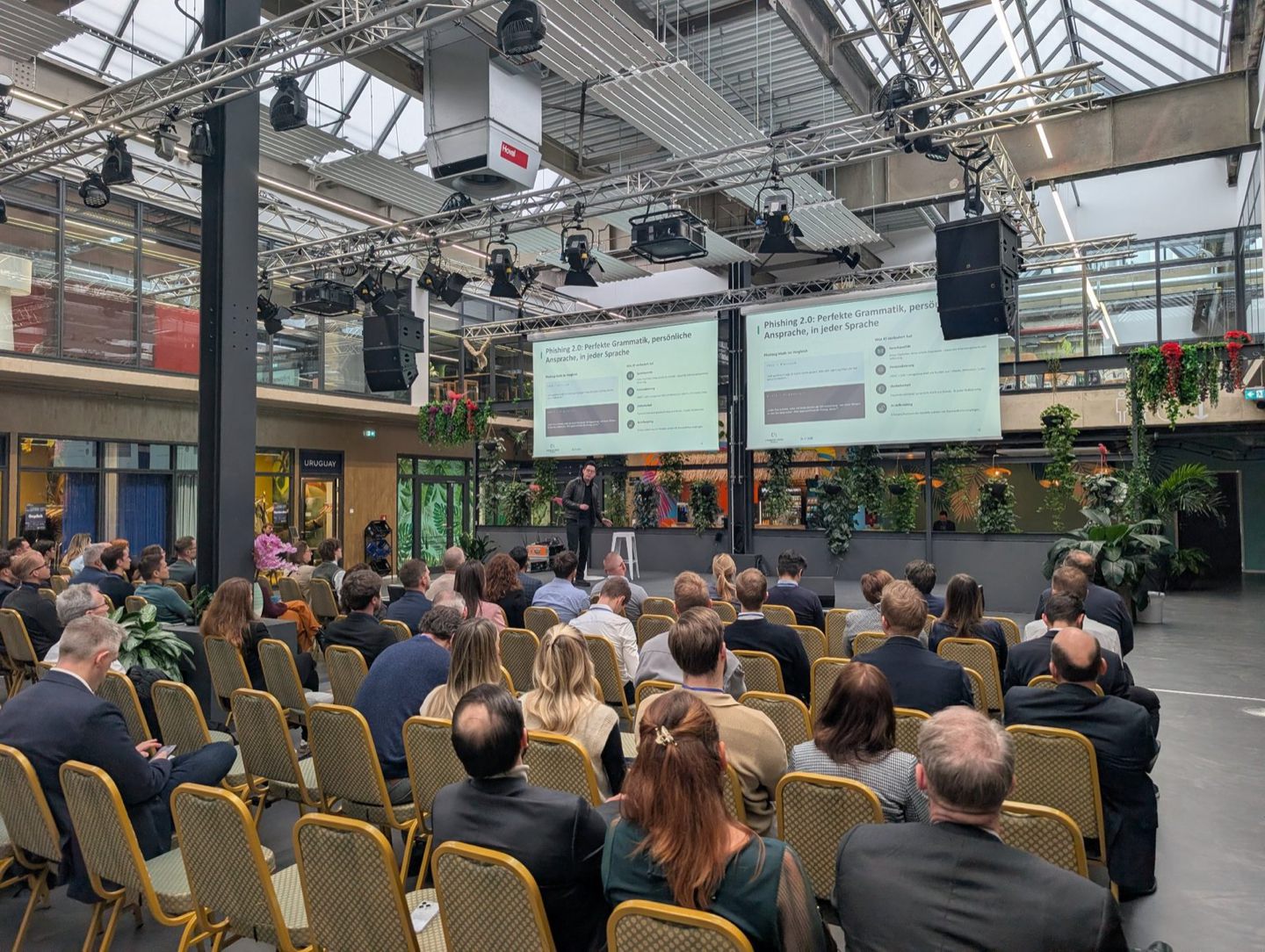
The sentence that has stayed with me most also came from the audience: it is more about make and buy than about make or buy. Hardly any insurer has the knowledge and the capacity to cover everything on its own. For me, this means that an insurer designs the core itself and buys in expertise where it is narrow and deep, for example in the coverage check in legal protection insurance, for which we build our software. It then needs its own experts in their usual role: they judge whether the solution it has bought gets it right.
And it can start now. By satellites I mean the specialised solutions around the core that are built for individual work steps. They connect to the existing system through interfaces and do not have to wait for the rebuild of the core, a project spanning several years. Nor does anyone need to wait for better models: our software is built to be model-agnostic, and a better model can be brought in later, as soon as it passes the same threshold on the same cases.
For the coverage check, there is now a reference: it has been in production at Dextra Rechtsschutz since October. Before that, the lawyers made their decisions as usual and assessed every recommendation in parallel. We had agreed the threshold for this before the first case ran: over 80 percent agreement with the experts’ assessments. At the last measurement before go-live, it was 90 percent. The final assessment and decision remain with Dextra’s lawyers.
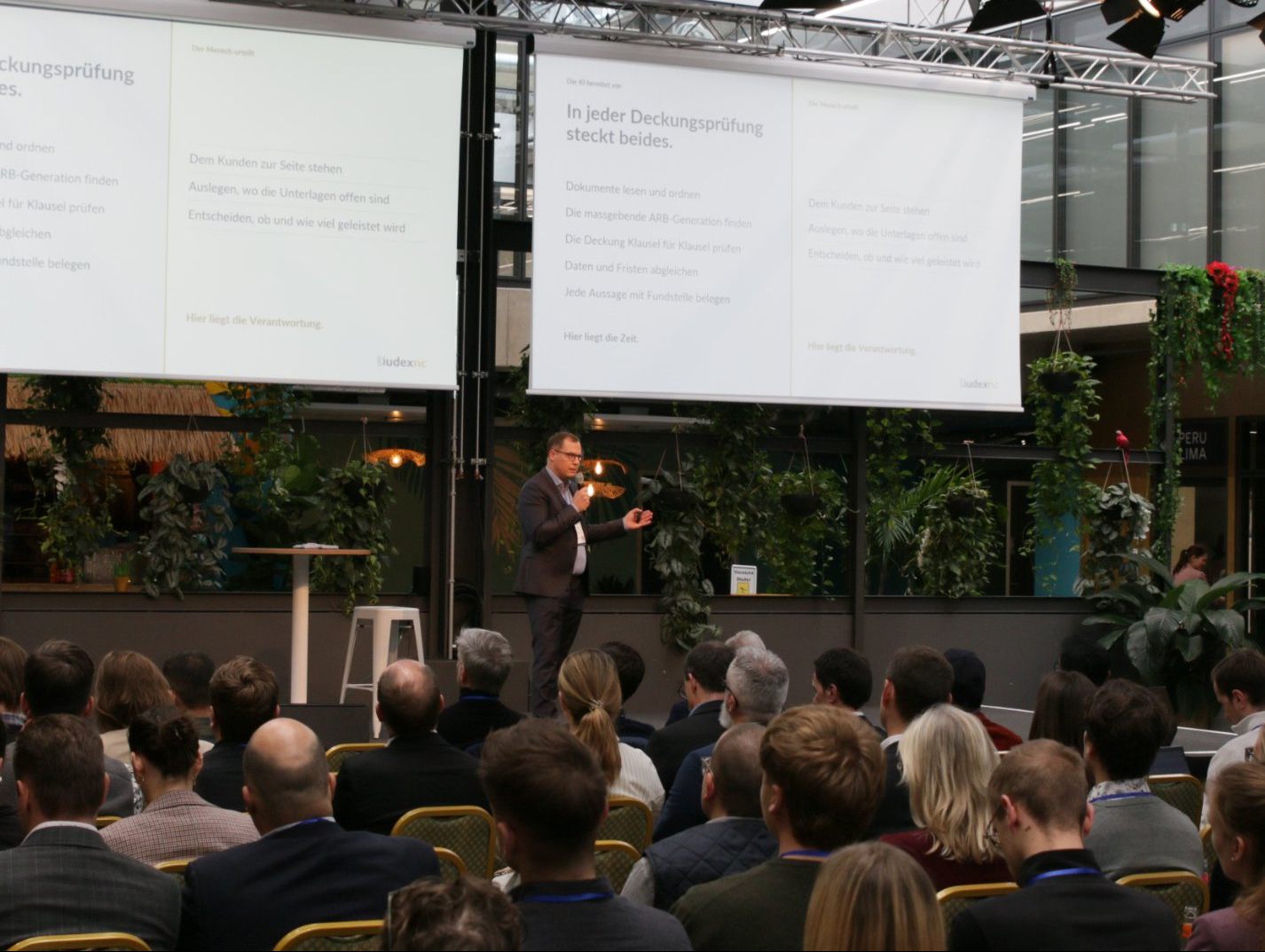
At Dextra, we expect time savings of 50 to 70 percent for the coverage check of a complex case, which takes around 20 to 60 minutes when done manually. Every insurer that follows builds on this foundation: the method is proven, and the pilot on its own cases takes up to two months, without IT integration.
What I take away from Cologne is how soberly the audience now approaches the question of building in-house. The rule from the session applies to the core and the satellites alike: “No release without passing the gates.” How the measurement with Dextra was set up is described in our joint white paper on the coverage check. Thanks to V.E.R.S. Leipzig for two days full of good conversations.